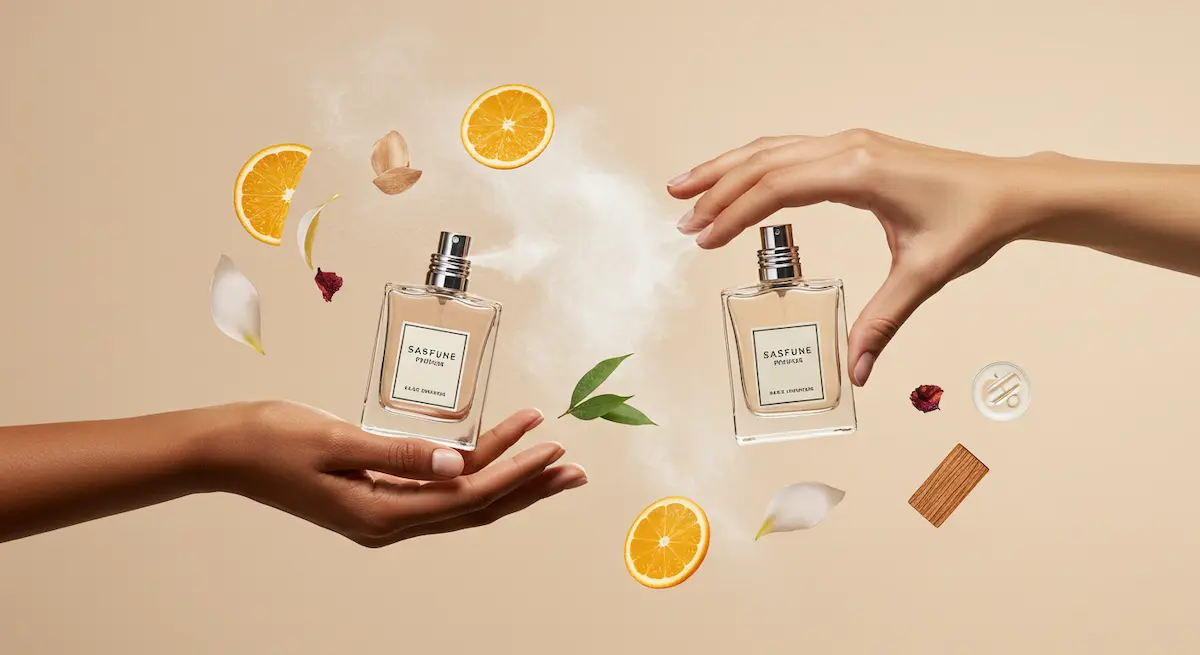
Have you ever borrowed a friend’s perfume, only to realize it smells completely different on you? What felt rich and warm on them might turn sharp or faint on your skin. It’s a common experience and it’s not about the perfume changing, it’s about your skin adding its own signature.
Fragrance isn’t just something you wear. It reacts, adapts, and transforms the moment it touches you. Let’s dig into why your skin plays such a big role in shaping the way a scent unfolds.
Your Skin Chemistry = Your Scent Canvas
Skin pH
Your skin has its own natural acidity, usually sitting between 4.5 and 5.5. Even small shifts here can change how notes appear. On some skin, citrus feels fresh and crisp. On others, the same perfume might smell softer or muted.
Oil Level
If you have oily skin, you’ll probably notice your perfumes lasting longer. Natural oils help anchor heavier notes like musk or amber so they stay put. Dry skin doesn’t hold in the same way, which often makes scents fade faster.
Microbiome & Proteins
Your skin is alive with bacteria and proteins that work quietly in the background. These elements interact with perfume molecules as the hours pass, which is why a fragrance can smell one way at first and shift slightly as it settles into your skin.
Heat, Hydration & Hormonal Influences
Body Temperature
Heat makes perfume come alive. On warmer skin like your neck, wrists, or in the summer sun top notes evaporate faster, so the scent feels stronger right away. On cooler skin, fragrances develop more slowly, staying softer and closer to you.
Hydration
Think of your skin like a base coat for perfume. When it’s moisturized, it holds on to fragrance beautifully. If your skin is dry, it lets go too quickly, and the scent fades faster than you’d like.
Diet, Hormones & Lifestyle
What you eat, how stressed you are, or even your hormones can shift how a perfume behaves. Spicy meals, medication, or stress can all tweak your natural scent slightly and that, in turn, changes how a fragrance comes across on you.
Extras That Make a Difference
Skin vs. Paper Test Strips
Perfume counters love giving out paper strips but they only tell half the story. On skin, your heat and chemistry unlock notes that paper can’t show. That’s why a scent can feel completely different once it’s actually on you.
Individual Perception
Scent is personal. The same fragrance can smell dreamy on someone else but off on you, not because it’s bad, but because your brain, mood, and memories shape how you experience it.
What You Can Do About It
- Test on your skin, not just paper. Wear it for a few hours before deciding as it takes time to unfold.
- Hydrate first. A little unscented lotion or oil on your pulse points makes a big difference.
- Think about timing. A fragrance might bloom differently in the heat of the day compared to a cool evening.
- Pay attention to the personal fit. If it doesn’t feel like “you,” no matter how good it smells on others, it’s not the right match.
Every bottle holds the same perfume, but once it touches your skin, it becomes something no one else can replicate. That’s the beauty of fragrance. It’s not just about what’s in the bottle, but how it weaves into your story. Your skin adds the final note, making every scent uniquely yours.
Frequently Asked Questions
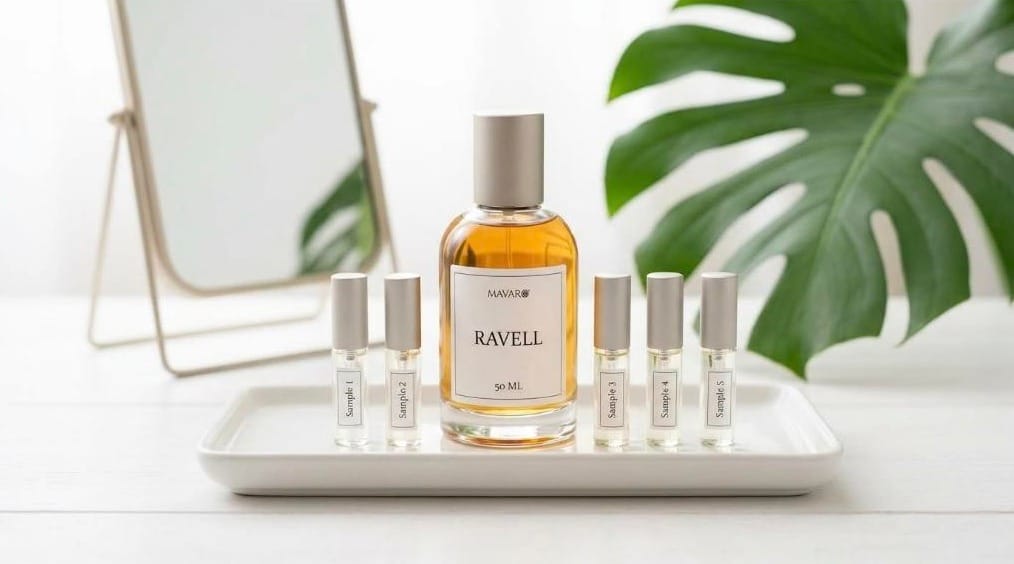
Because every skin is different, the safest way to find your match is to test before you commit to a full bottle. Mavaro’s 5 sample discovery set lets you try five scents on your own skin, and you can browse the full range in our women’s and men’s collections.
Why does the same perfume smell different on different people?
Skin chemistry plays a big part. Your skin’s pH, oiliness, body temperature and natural scent all interact with the perfume notes.
Does dry skin make perfume fade faster?
Yes. Oilier skin tends to hold fragrance longer, so moisturising with an unscented lotion before spraying helps on dry skin.
Should I test a perfume on skin before buying?
Yes, and wear it for a few hours. The top notes fade quickly, and the drydown shows how the perfume really behaves on you.
Can diet or stress change how a perfume smells?
They can subtly change your natural scent, which in turn can shift how a perfume comes across.