The best perfume brands in Pakistan span several very different categories, and which one is genuinely “best” depends on what you’re shopping for — a designer import, a Gulf-style oud blend, or a homegrown niche brand built around ingredient transparency. Here’s how the categories actually break down, and where to look in each one.
Imported Designer & Niche Luxury
Global houses like Dior, Tom Ford, Maison Francis Kurkdjian, and Amouage are available through select retailers in Pakistan and remain the benchmark for craftsmanship. Authenticity risk and pricing that starts around ₨15,000 put this category out of reach for most everyday buyers, which is why it tends to be a special-occasion or gifting purchase rather than a daily wear.
Gulf-Style Arabic Perfumery
Dubai-founded houses like Rasasi and Lattafa dominate this category with oud- and amber-forward blends built for strong projection — a good match for Pakistan’s climate. They’re widely stocked across major retailers and online stores, with prices generally landing between ₨4,000 and ₨10,000.
Mainstream Pakistani Retail Brands
J. (Junaid Jamshed) is usually the first name people mention, largely because it’s sold in nearly every city alongside its clothing lines — convenience is its biggest advantage over smaller local brands. Fashion retailers such as Bonanza Satrangi carry broad fragrance ranges the same way, as an add-on to a clothing purchase rather than a fragrance-first offering.
Homegrown Niche & Fragrance-First Brands
A newer wave of Pakistan-based brands treats fragrance as the whole business rather than a side line — THE NOTE., Sesky, Fawwaha, Colish, and Mavaro all fall into this bracket. What separates them from mainstream retail is transparency: most publish full ingredient and performance details — top, heart, and base notes, sillage, best season — rather than just a bottle photo and a price tag. This category generally prices mid-range, roughly ₨1,200 to ₨4,000 per full bottle.
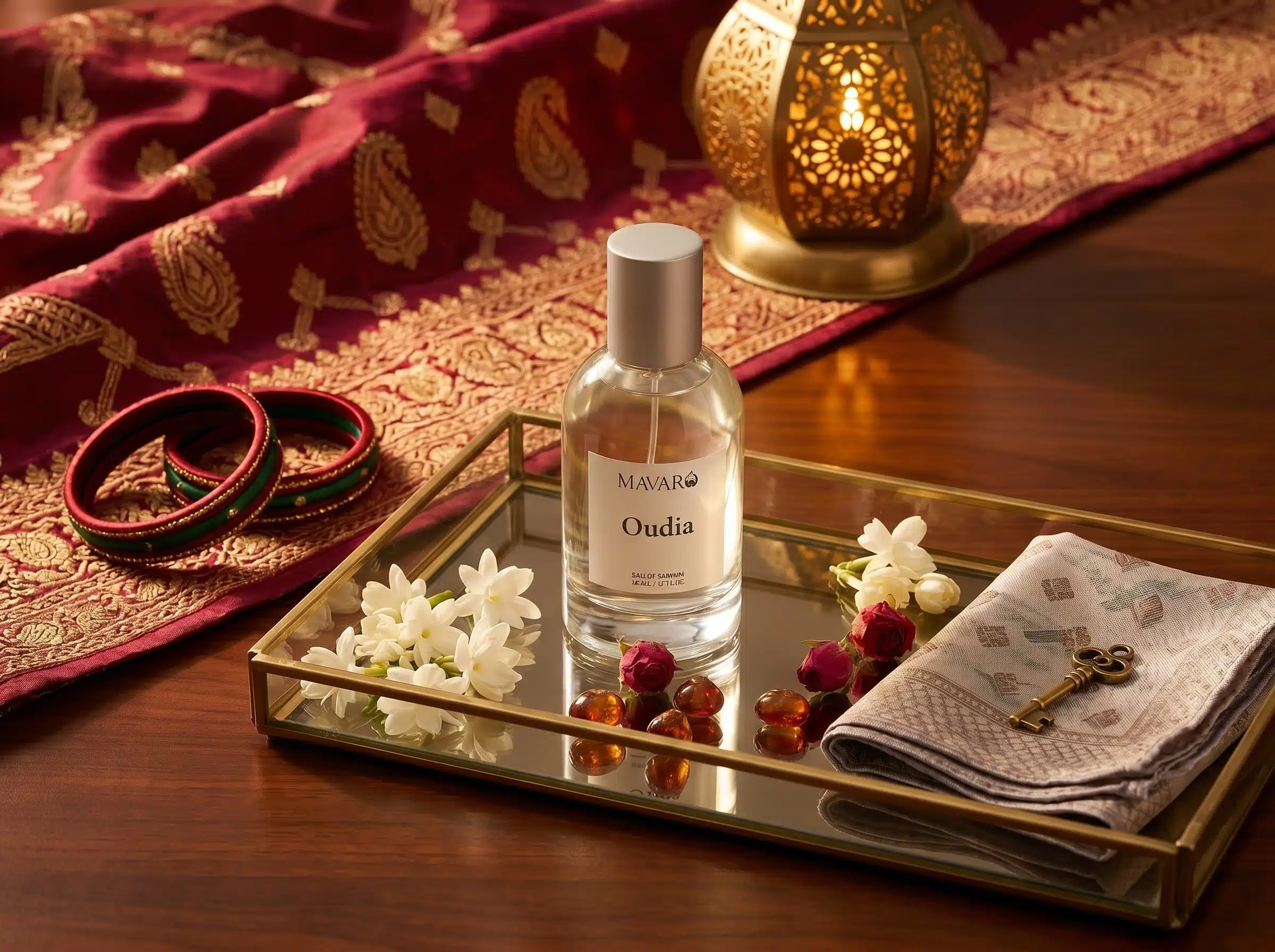
Mavaro sits in this bracket, built around a “Scent Facts” panel on every product — sillage, fragrance family, best season, and full notes — so you know how a fragrance will actually perform before it arrives. Sample sets let you try a scent before committing to a full bottle, and fragrances are paired into bundles for couples or gifting rather than sold as one-size-fits-all sets.
Inspired & Dupe Fragrances
Brands like Fawwaha, Ababeel Signature, and Scents N Stories build perfume oils designed to resemble well-known designer scents at a fraction of the price. It’s a genuinely useful category for buyers who want a familiar profile without the international price tag, though “inspired by” means exactly that — similar in character, not identical.
Traditional Attars & Oil-Based Perfumes
Heritage houses like Saeed Ghani serve buyers who prefer oil-based, alcohol-free formats — still a meaningful share of the market, especially for more traditional preferences or for wear during prayer.
How to Choose Between Them
Three things matter more than the brand name on the box:
- Budget: local/niche brands run ₨1,200–4,000; Gulf perfumery ₨4,000–10,000; designer imports start around ₨15,000
- Climate: oud-, amber-, and musk-forward compositions hold their sillage longer in Pakistan’s heat than citrus-led or light florals, which tend to fade faster
- Occasion: evening and formal wear calls for stronger sillage; daytime or office wear is usually better served by something lighter
Whichever category you land in, check for a full notes breakdown and a real sillage rating before you buy — it tells you far more about how a fragrance will actually wear than a marketing description does.
Frequently Asked Questions
What is the best perfume brand in Pakistan?
There’s no single answer — it depends on budget and category. For Gulf-style oud and amber blends, Rasasi and Lattafa are standard picks. For homegrown niche fragrance with full ingredient transparency, brands like Mavaro, THE NOTE., and Sesky are worth comparing directly against each other.
How much should I expect to pay for a good perfume in Pakistan?
Local and niche Pakistani brands generally run ₨1,200–4,000 for a full bottle. Imported Gulf perfumery like Rasasi and Lattafa runs ₨4,000–10,000, and imported designer fragrances start around ₨15,000.
Which perfumes last longest in Pakistan’s heat and humidity?
Oud-, amber-, and musk-forward compositions generally hold their sillage longer in high heat than citrus-led or light floral scents, which tend to fade faster. Checking a fragrance’s sillage rating and note breakdown before buying is a better predictor of how it’ll wear in Pakistan’s climate than the brand name alone.
What does “sillage” mean and why does it matter?
Sillage is how far a fragrance projects from your skin. A strong-sillage scent will be noticeable to people nearby, while a moderate or light one stays closer to you. It’s one of the clearest predictors of how a scent will actually perform once you’re wearing it, not just how it smells in the bottle.